Education Zone | All kinds of general educational insights and modern information

Federalism Education Policy
History In a narrow sense, federalism refers to the mode in which the body politic of a state is organized internally—and this is the meaning most often used in modern times. Political. Federalism, mode of political organization that unites separate states or other polities within an overarching political system in a way that allows each to maintain its own. Accordingly, federalism is a voluntary form of government and mode of governance that establishes unity while preserving diversity by constitutionally uniting separate political. Today federalism is defined as a form of government in which power is distributed between a central authority and a number of constituent territorial units. The different levels of. Federalism Education Policy, , , , , , , 0, Federalism - McCourt School of Public Policy, mccourt.georgetown.edu, 0 x 0, jpg, History In a narrow sense, federalism refers to the mode in which the body politic of a state is organized internally—and this is the meaning most often used in modern times. Political. Federalism, mode of political organization that unites separate states or other polities within an overarching political system in a way that allows each to maintain its own. Accordingly, federalism is a voluntary form of government and mode of governance that establishes unity while preserving diversity by constitutionally uniting separate political. Today federalism is defined as a form of government in which power is distributed between a central authority and a number of constituent territorial units. The different levels of., 20, federalism-education-policy, Education Zone
Federalism is defined as a political system where sovereignty is constitutionally divided between a central governing authority and constituent political units (states or provinces). Now that we’ve read about the benefits of Federalism, let’s examine some of the challenges and potential pathologies associated with federalism: Power Struggles: Federalism divides power. Federalism is a political system through which two or more governments have shared authority over the same geographical area. Most democratic countries in the world are governed by a.

Federalism - McCourt School of Public Policy
Source: mccourt.georgetown.edu

Chapter 3: Federalism. Matching: Federalism Types FEDERALISM
Source: dokumen.tips
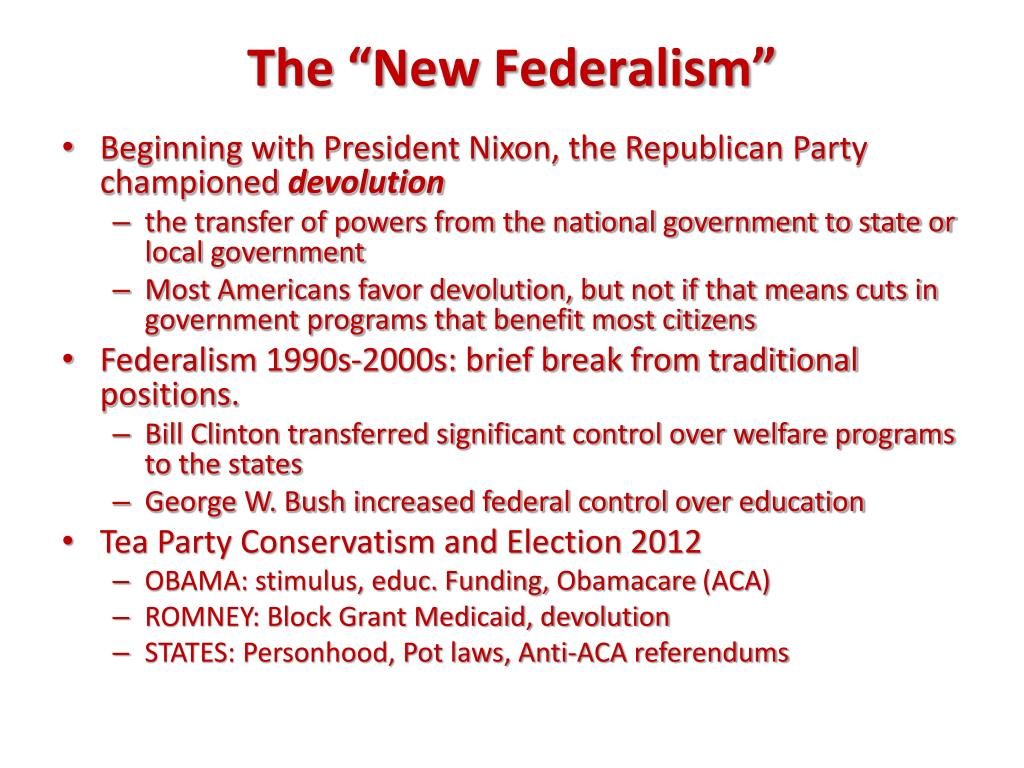
PPT - Federalism and Public Policy PowerPoint Presentation, free
Source: www.slideserve.com
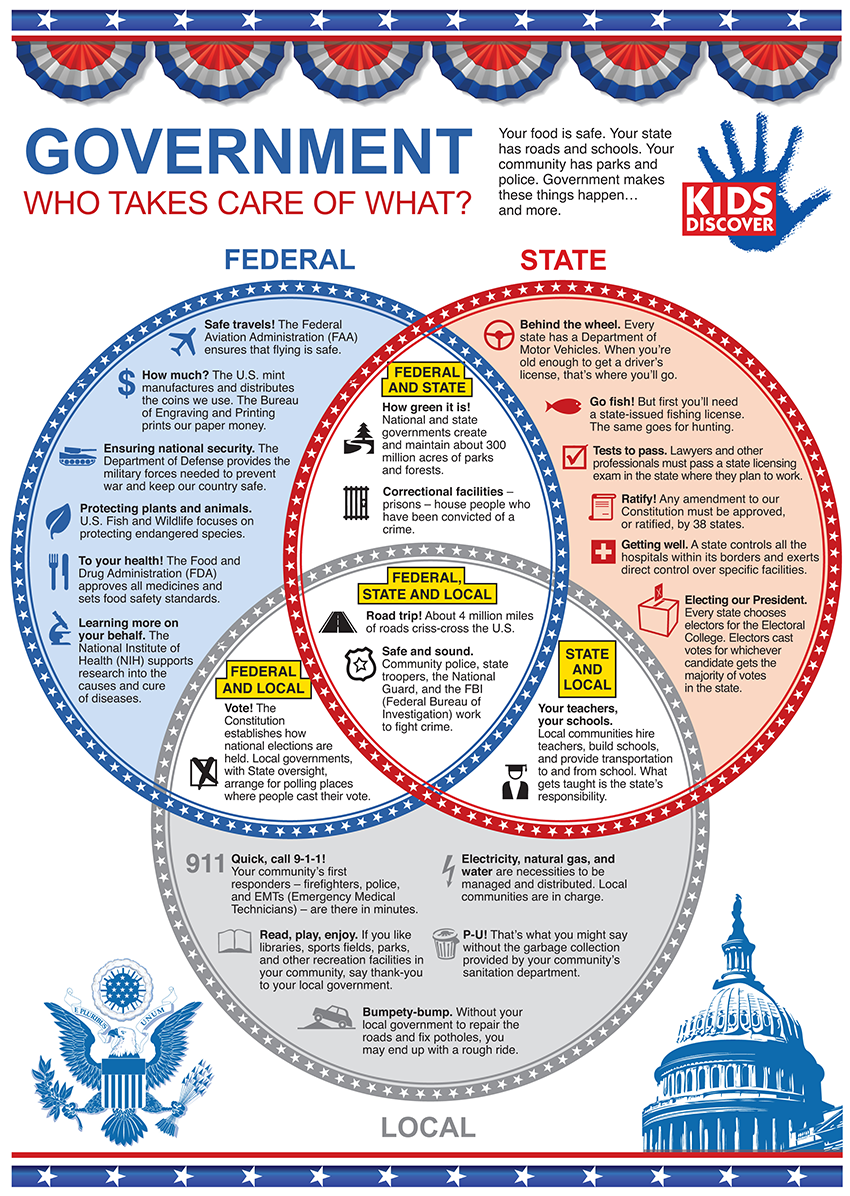
7: Federalism Infographic - Illinois Constitutional Handbook
Source: illinoisconstitutionalmorcott.weebly.com

Constitution and Federalism Balance – U.S. Constitution.net
Source: www.usconstitution.net

Pre-Owned School's In: Federalism and the National Education Agenda
Source: www.walmart.com
मनीष | Bus attacked for playing Lord Ayyappa's Devotional songs
Source: www.instagram.com
Federalism hi-res stock photography and images - Alamy
Source: www.alamy.com
Source: www.facebook.com
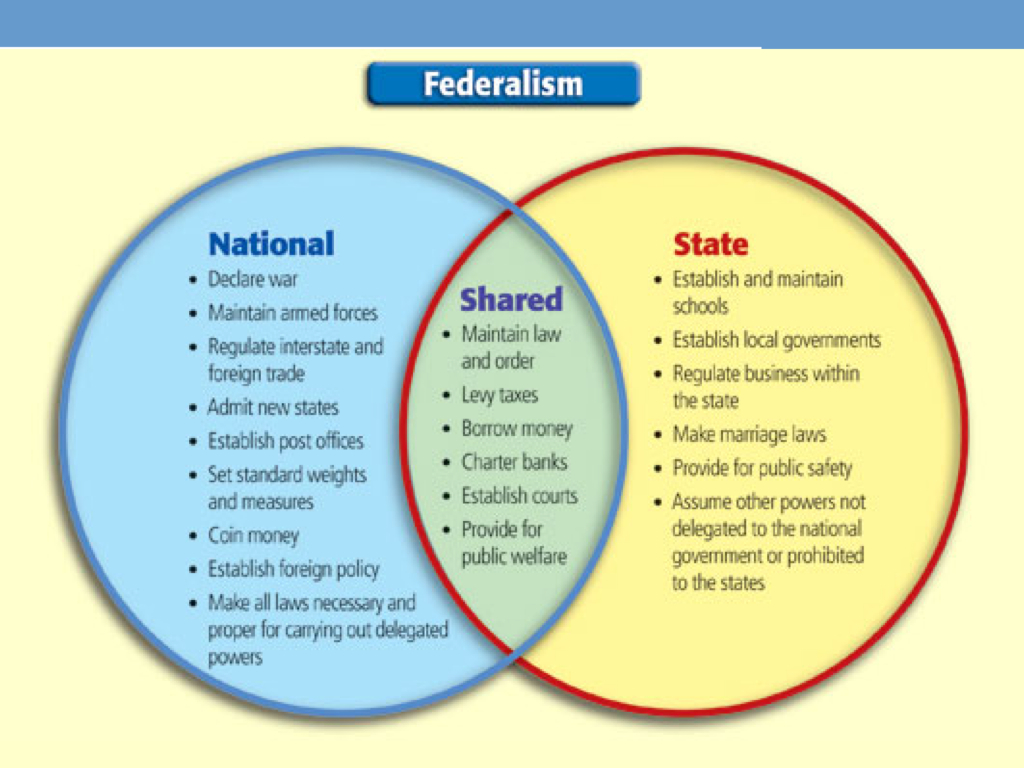
American Federalism: Source, Purpose and Establishment Part II - David
Source: www.shestokas.com

13.7I: Educational Reform in the U.S. - Social Sci LibreTexts
Source: socialsci.libretexts.org

Federalism Education Shanaye McBride - YouTube
Source: www.youtube.com
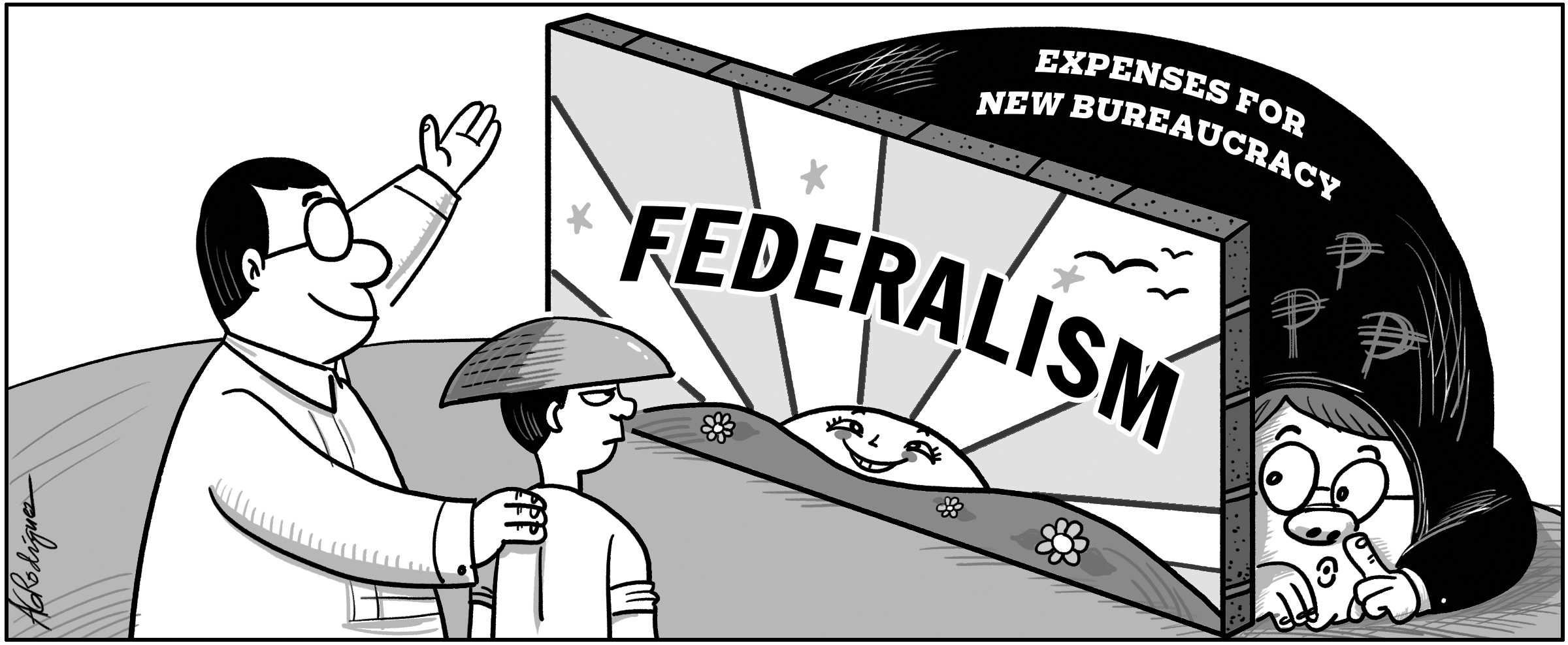
Dual Federalism Political Cartoon
Source: ar.inspiredpencil.com

Determine Central Ideas Why Is The Separation Of Powe - vrogue.co
Source: www.vrogue.co

Federalism Poster | Zazzle | Social studies education, Education poster
Source: www.pinterest.com
Federalism hi-res stock photography and images - Alamy
Source: www.alamy.com
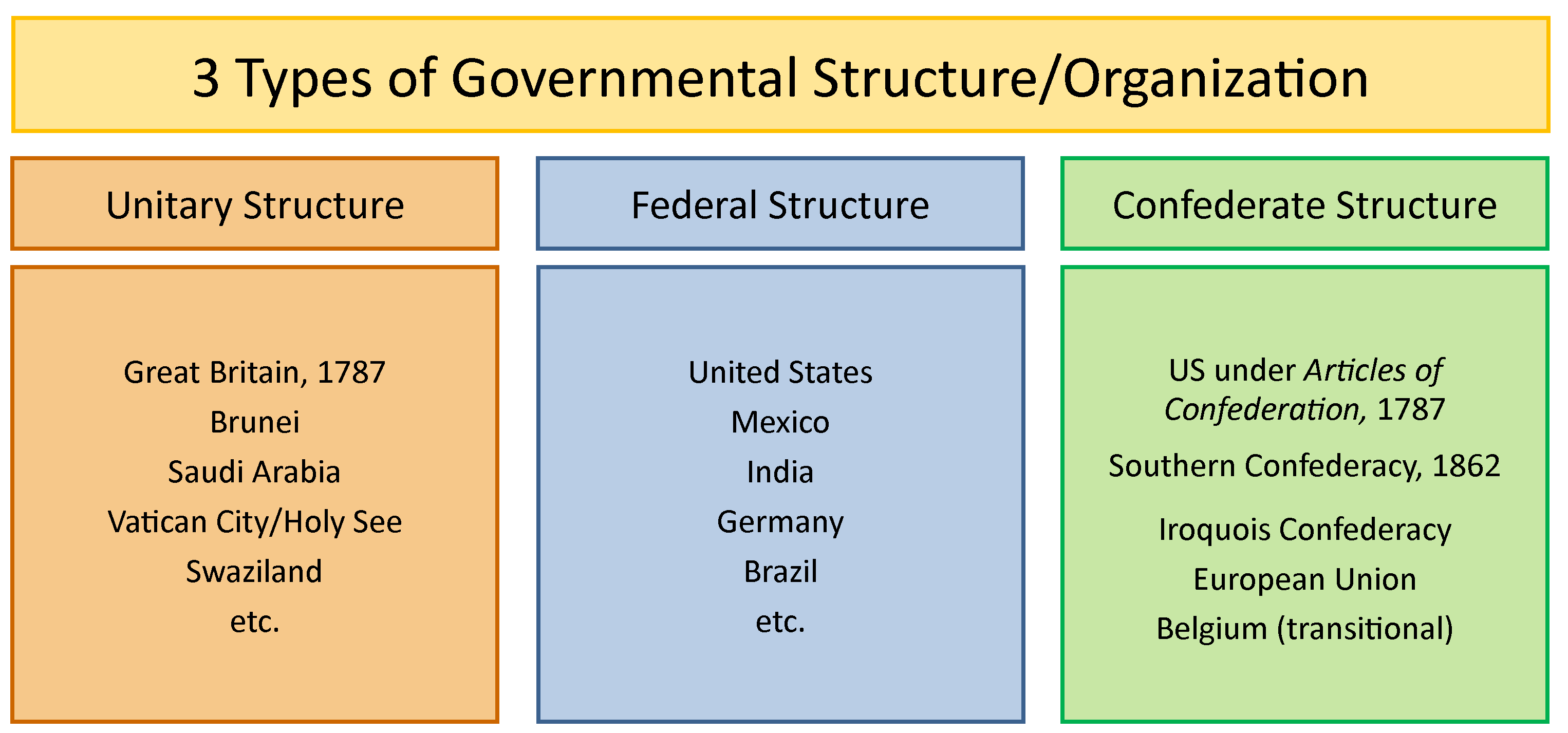
Custom Essay | amazonia.fiocruz.br
Source: amazonia.fiocruz.br
Pioneer Institute for Public Policy Research on LinkedIn: #webinar #
Source: www.linkedin.com

Source: cancerletter.com
Federalism Education Policy
Now that we’ve read about the benefits of Federalism, let’s examine some of the challenges and potential pathologies associated with federalism: Power Struggles: Federalism divides power. Federalism is a political system through which two or more governments have shared authority over the same geographical area. Most democratic countries in the world are governed by a. Federations may facilitate efficient preference maximization more generally, as formalized in the literature on economic and fiscal federalism—though many such arguments. Federalism is a constitutional mechanism for dividing power between different levels of government, such that federated units can enjoy substantial, constitutionally guaranteed. More broadly, federalism principles also undergird many Supreme Court decisions interpreting individual rights and the extent to which the Court should federalize, for example, the rights.