Education Zone | All kinds of general educational insights and modern information

Global Education Bhiwani
The Global Risks Report 2025 analyses global risks to support decision-makers in balancing current crises and longer-term priorities. The Global Cybersecurity Outlook 2025 highlights key trends shaping economies and societies in 2025, along with insights into emerging threats and solutions. Technological change, geoeconomic fragmentation, economic uncertainty, demographic shifts and the green transition – individually and in combination are among the. So far, this year has been marked by significant global shifts, including increased geopolitical instability, the accelerating impact of AI and a changing labour market. Economic. Global Education Bhiwani, , , , , , , 0, Smart Global Education | Abu Z̧aby, www.facebook.com, 0 x 0, jpg, The Global Risks Report 2025 analyses global risks to support decision-makers in balancing current crises and longer-term priorities. The Global Cybersecurity Outlook 2025 highlights key trends shaping economies and societies in 2025, along with insights into emerging threats and solutions. Technological change, geoeconomic fragmentation, economic uncertainty, demographic shifts and the green transition – individually and in combination are among the. So far, this year has been marked by significant global shifts, including increased geopolitical instability, the accelerating impact of AI and a changing labour market. Economic., 20, global-education-bhiwani, Education Zone
The World Economic Forum’s Global Risks Report 2024 says the biggest short-term risk stems from misinformation and disinformation. In the longer term, climate-related. Energy consumption and production contribute to two-thirds of global emissions, and 81% of the global energy system is still based on fossil fuels, the same percentage as 30. The Global Energy Review found that global energy demand grew by 2.2% last year, which was considerably faster than the average annual demand increase of 1.3% over.
Smart Global Education | Abu Z̧aby
Source: www.facebook.com

BSEH BOARD OF SCHOOL EDUCATION BHIWANI, HARYANA APK for Android - Download
Source: bseh-board-of-school-education-bhiwani-haryana.en.softonic.com
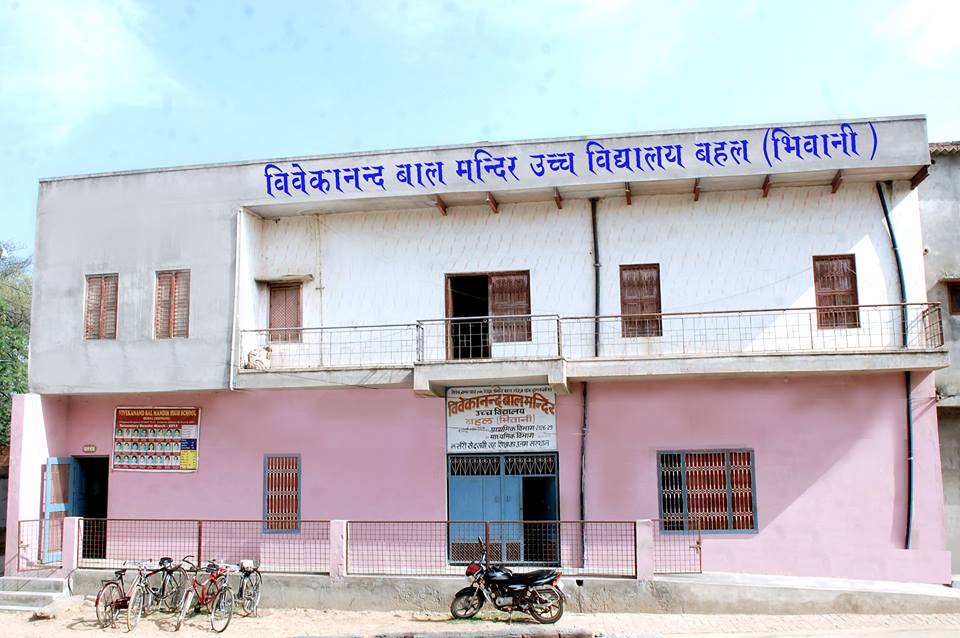
Government College of Education Bhiwani - Colleges | Joonsquare India
Source: www.joonsquare.com
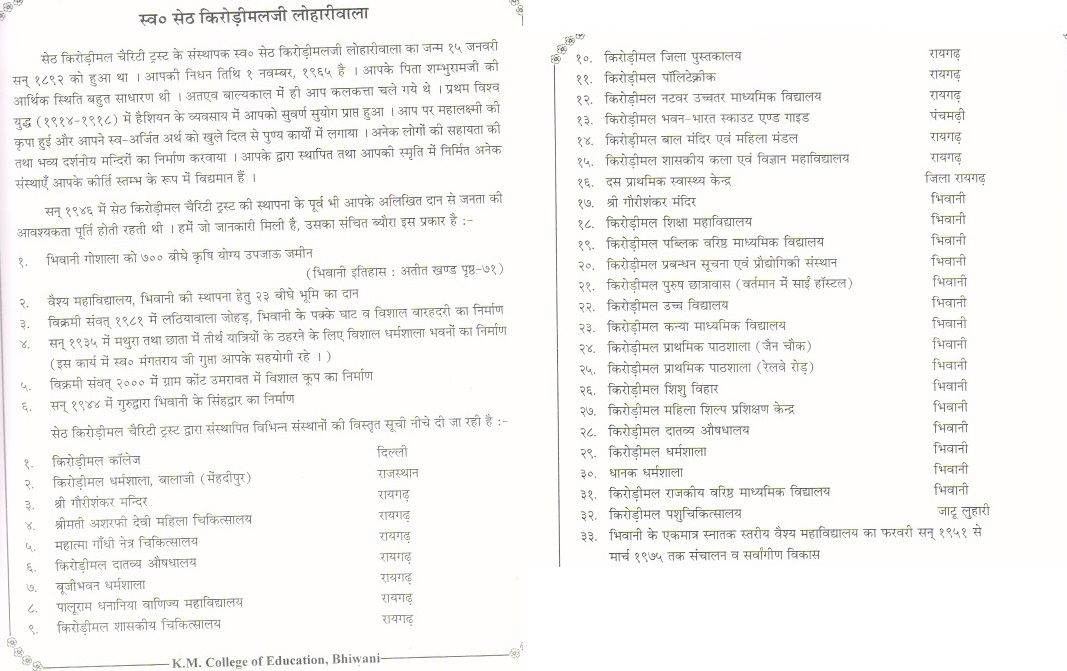
THE FOUNDER – K.M. COLLEGE OF EDUCATION – BHIWANI
Source: kmcollegeofeducation.org

K.M. COLLEGE OF EDUCATION – BHIWANI – Affiliated to CBLU (Bhiwani)
Source: kmcollegeofeducation.org

Microsoft is closing its site dedicated to software licensing info and
Source: www.techradar.com

Europe leads AI regulation: key takeaways from the Global Education
Source: www.ucjc.edu
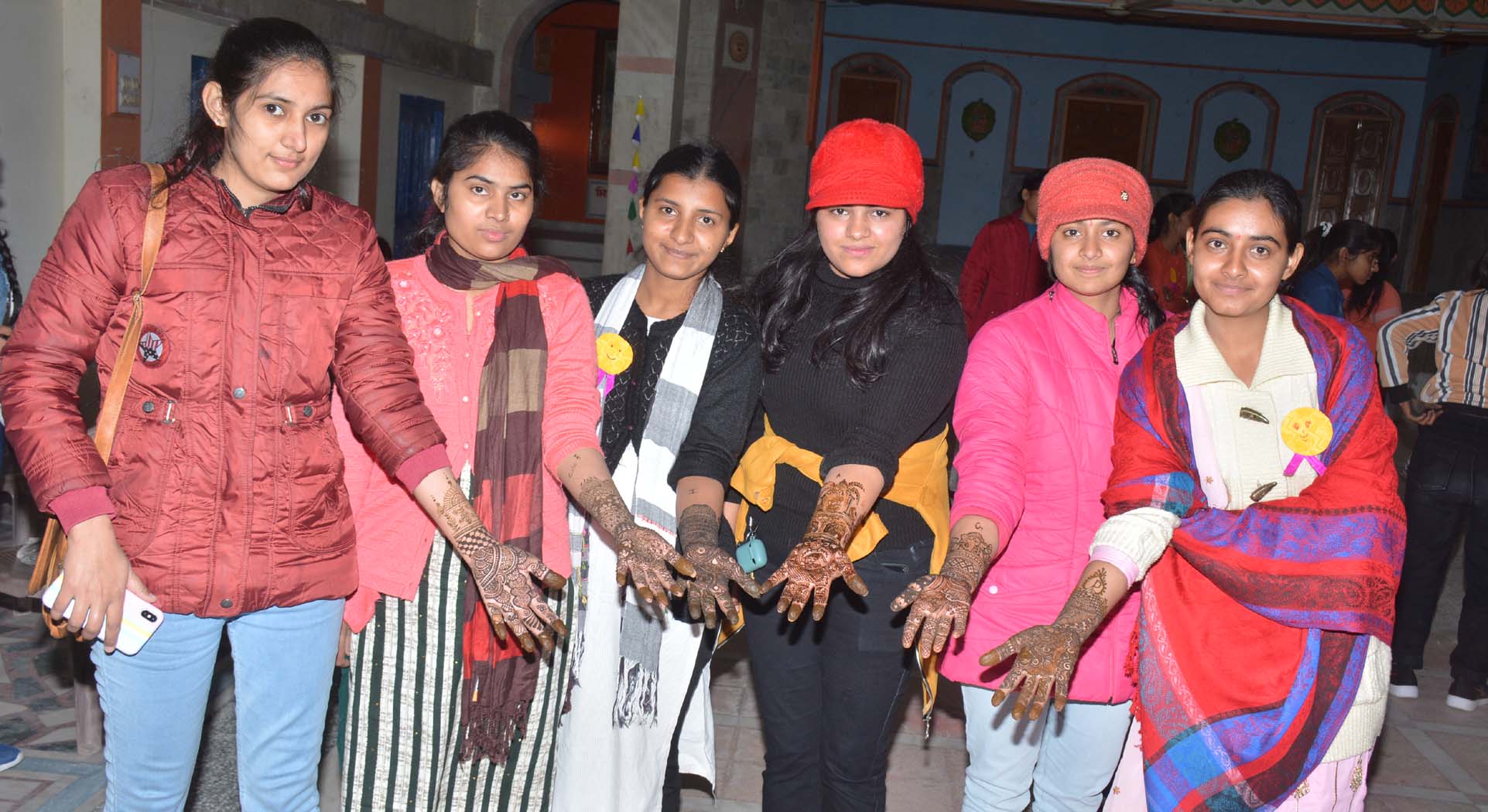
K.M. COLLEGE OF EDUCATION – BHIWANI – Affiliated to CBLU (Bhiwani)
Source: kmcollegeofeducation.org

De Beers Named Lupita Nyong’o As The First Global Ambassador
Source: www.bernardine.com
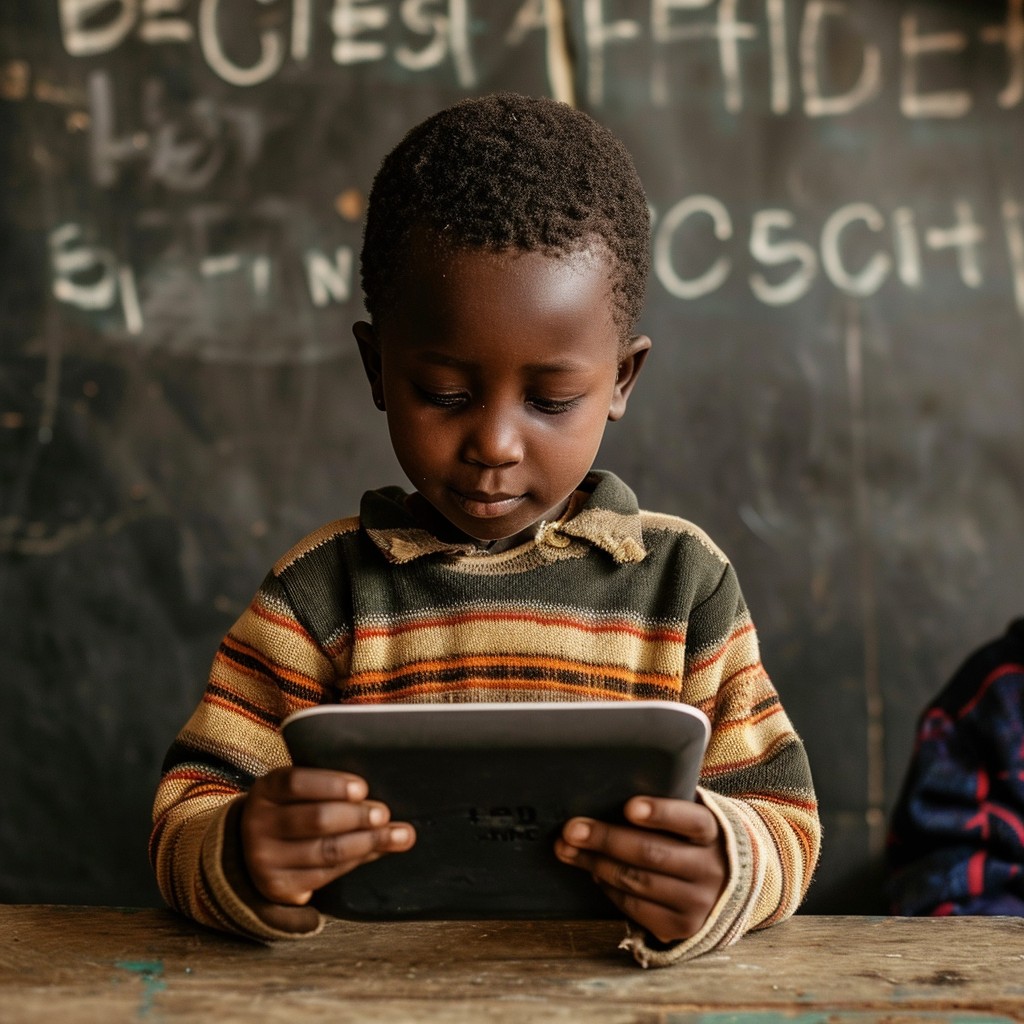
5Africa Unveils Global Expansion Plan to Revolutionize Digital Education
Source: www.cryptopolitan.com

Source: connections.globalhealthsaudi.com
Global Masters Institute | Ibadan
Source: www.facebook.com
Source: www.facebook.com

BITS Bhiwani Recruitment 2025: Apply Offline for 74 Teaching & Non
Source: www.aubsp.com

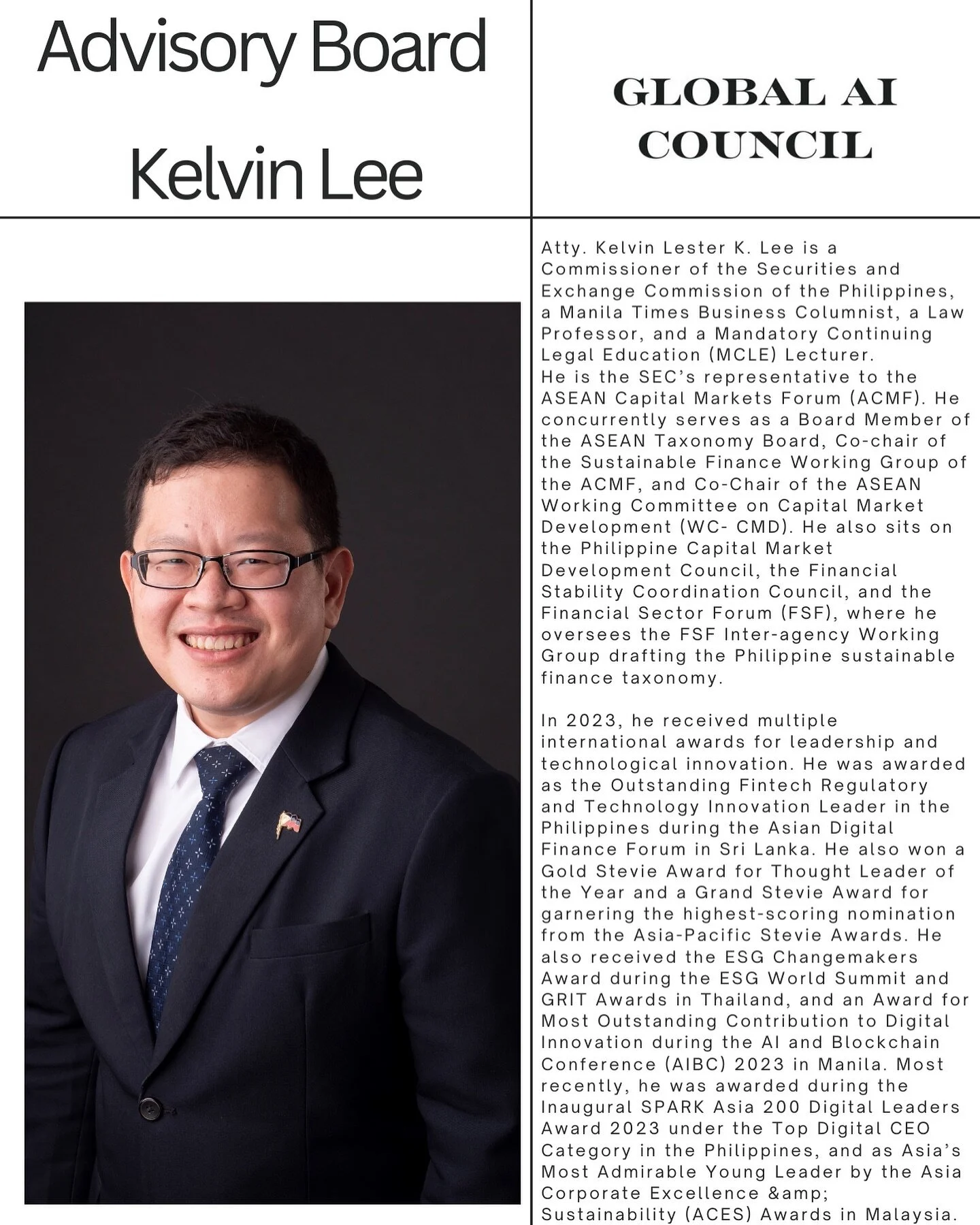
Global AI Council: Education Revolution | AI for a Better World
Source: www.globalcouncil.ai
Sarswati Education Point, Siwani | Bhiwani
Source: www.facebook.com
Source: www.facebook.com
🔐 Account Management – Bravenly Global
Source: bravenlyglobal.zendesk.com
Prosper Global Education | Colombo
Source: www.facebook.com
Global Education Bhiwani
Energy consumption and production contribute to two-thirds of global emissions, and 81% of the global energy system is still based on fossil fuels, the same percentage as 30. The Global Energy Review found that global energy demand grew by 2.2% last year, which was considerably faster than the average annual demand increase of 1.3% over. Health was a major focus in 2024, shaping global news and driving key discussions at the World Economic Forum. From climate change health impacts to the rise of. Global Gender Gap Index 2025 benchmarks gender parity across 148 economies, offering trend analysis, key findings, and insights into progress since 2006. The Global Gender Gap Index was first introduced by the World Economic Forum in 2006 to benchmark progress towards gender parity across four dimensions: economic.