Education Zone | All kinds of general educational insights and modern information

Global Education Hubs
The Global Risks Report 2025 analyses global risks to support decision-makers in balancing current crises and longer-term priorities. The Global Cybersecurity Outlook 2025 highlights key trends shaping economies and societies in 2025, along with insights into emerging threats and solutions. Technological change, geoeconomic fragmentation, economic uncertainty, demographic shifts and the green transition – individually and in combination are among the major drivers expected to shape and transform the global labour market by 2030. The Future of Jobs Report 2025 brings together the perspective of over 1,000 leading global. Global Gender Gap Index 2025 benchmarks gender parity across 148 economies, offering trend analysis, key findings, and insights into progress since 2006. Global Education Hubs, , , , , , , 0, Maharashtra Govt To Develop ‘Education Hubs’ With Global Collaboration, www.freepressjournal.in, 0 x 0, jpg, The Global Risks Report 2025 analyses global risks to support decision-makers in balancing current crises and longer-term priorities. The Global Cybersecurity Outlook 2025 highlights key trends shaping economies and societies in 2025, along with insights into emerging threats and solutions. Technological change, geoeconomic fragmentation, economic uncertainty, demographic shifts and the green transition – individually and in combination are among the major drivers expected to shape and transform the global labour market by 2030. The Future of Jobs Report 2025 brings together the perspective of over 1,000 leading global. Global Gender Gap Index 2025 benchmarks gender parity across 148 economies, offering trend analysis, key findings, and insights into progress since 2006., 20, global-education-hubs, Education Zone
Energy consumption and production contribute to two-thirds of global emissions, and 81% of the global energy system is still based on fossil fuels, the same percentage as 30 years ago. Plus, improvements in the energy intensity of the global economy (the amount of energy used per unit of economic activity) are slowing. The World Economic Forum’s Global Risks Report 2024 says the biggest short-term risk stems from misinformation and disinformation. In the longer term, climate-related threats dominate the top 10 risks global populations will face. Two-thirds of global experts anticipate a multipolar or fragmented order to take shape over the next decade. The Global Energy Review found that global energy demand grew by 2.2% last year, which was considerably faster than the average annual demand increase of 1.3% over the previous 10 years. Emerging and developing economies accounted for over 80% of the increase in 2024 and, after several years of declines, advanced economies returned ...

Maharashtra Govt To Develop ‘Education Hubs’ With Global Collaboration
Source: www.freepressjournal.in

Telangana governor urges focus on making universities global education
Source: www.financialexpress.com

Using Innovation Hubs as Global Educational Collaboration Centers
Source: researchleap.com
🌍 Why Dubai Is Fast Becoming a Global Hotspot for Higher Education
Source: www.linkedin.com
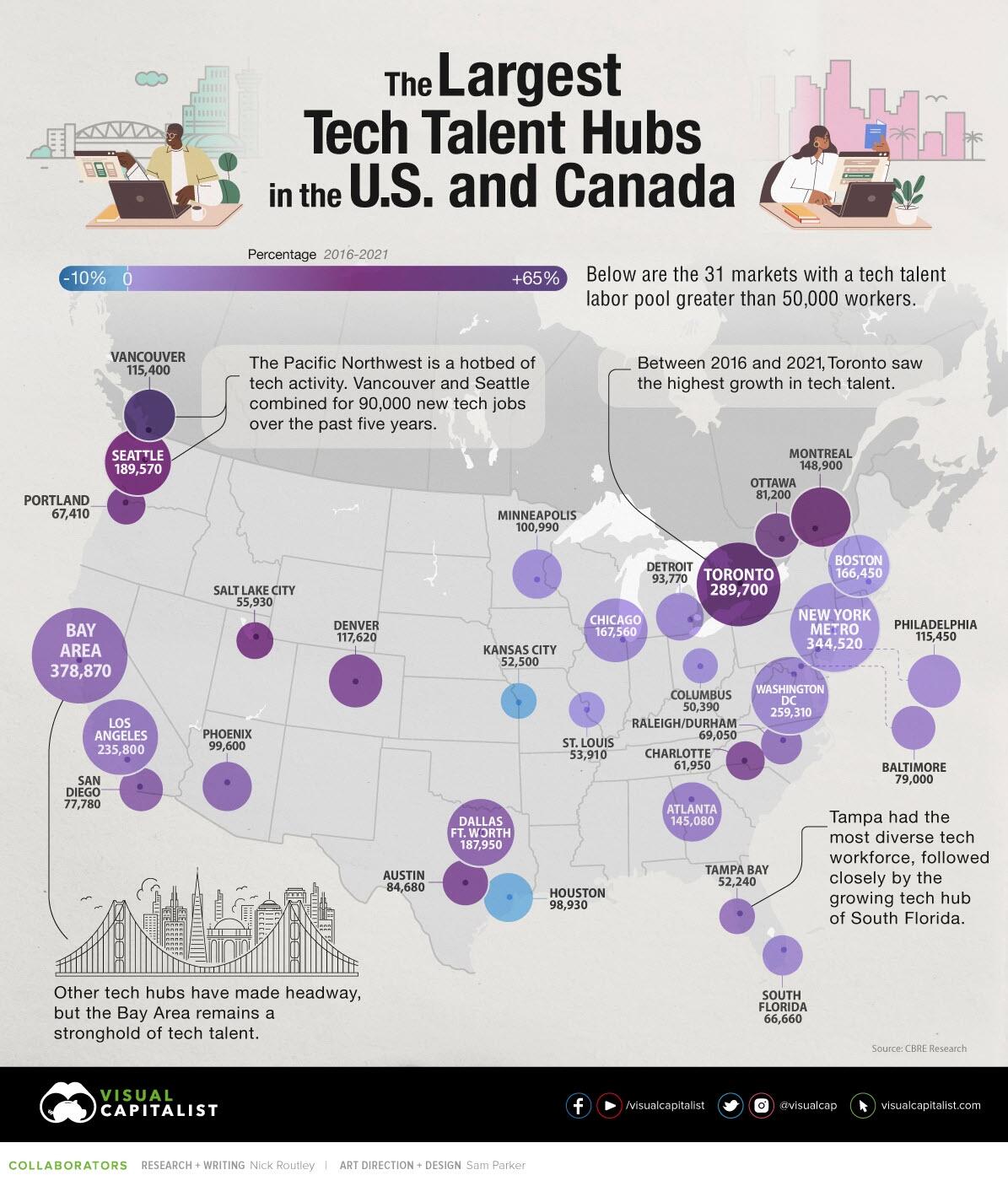
Mapping The Biggest Tech Talent Hubs In The US & Canada | ZeroHedge
Source: www.zerohedge.com

Music Education Hubs: Frequently Asked Questions | Arts Council England
Source: www.artscouncil.org.uk

NSF,NSF names three new I-Corps Hubs expanding the National Innovation
Source: en.itb.co.jp
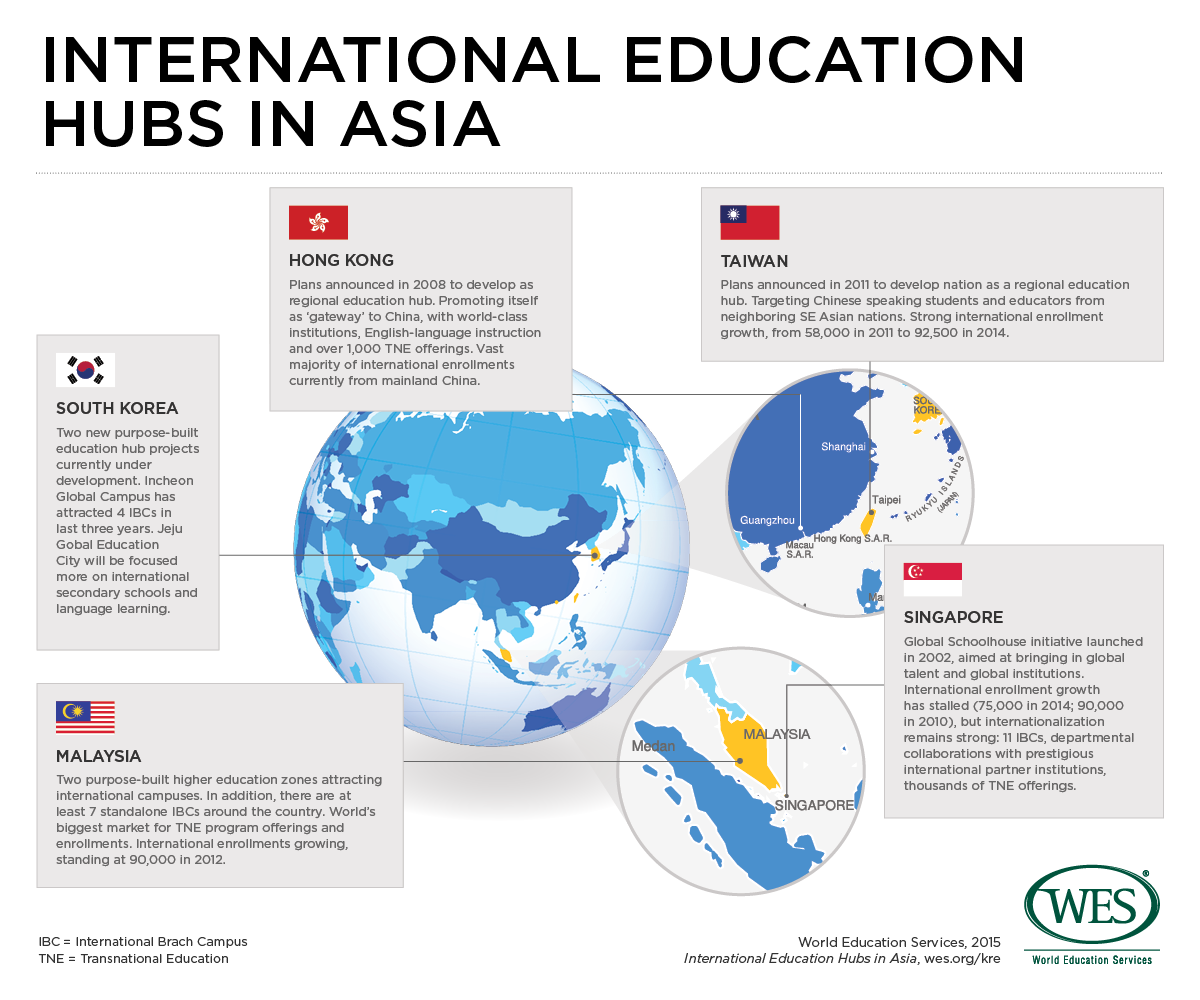
Developing International Education Hubs in Asia - WENR
Source: wenr.wes.org

Project321 Launching Ultra-Fast Gravel Hubs - Bikerumor
Source: bikerumor.com

Global Education Infographic World Map Stock Vector (Royalty Free
Source: www.shutterstock.com

Visualizing the Largest Tech Hubs in U.S. and Canada
Source: www.visualcapitalist.com

BTP 2x 10" Trailer Galvanised Dacromet Disc Hubs suit Commodore & LM
Source: basictrailerparts.com.au
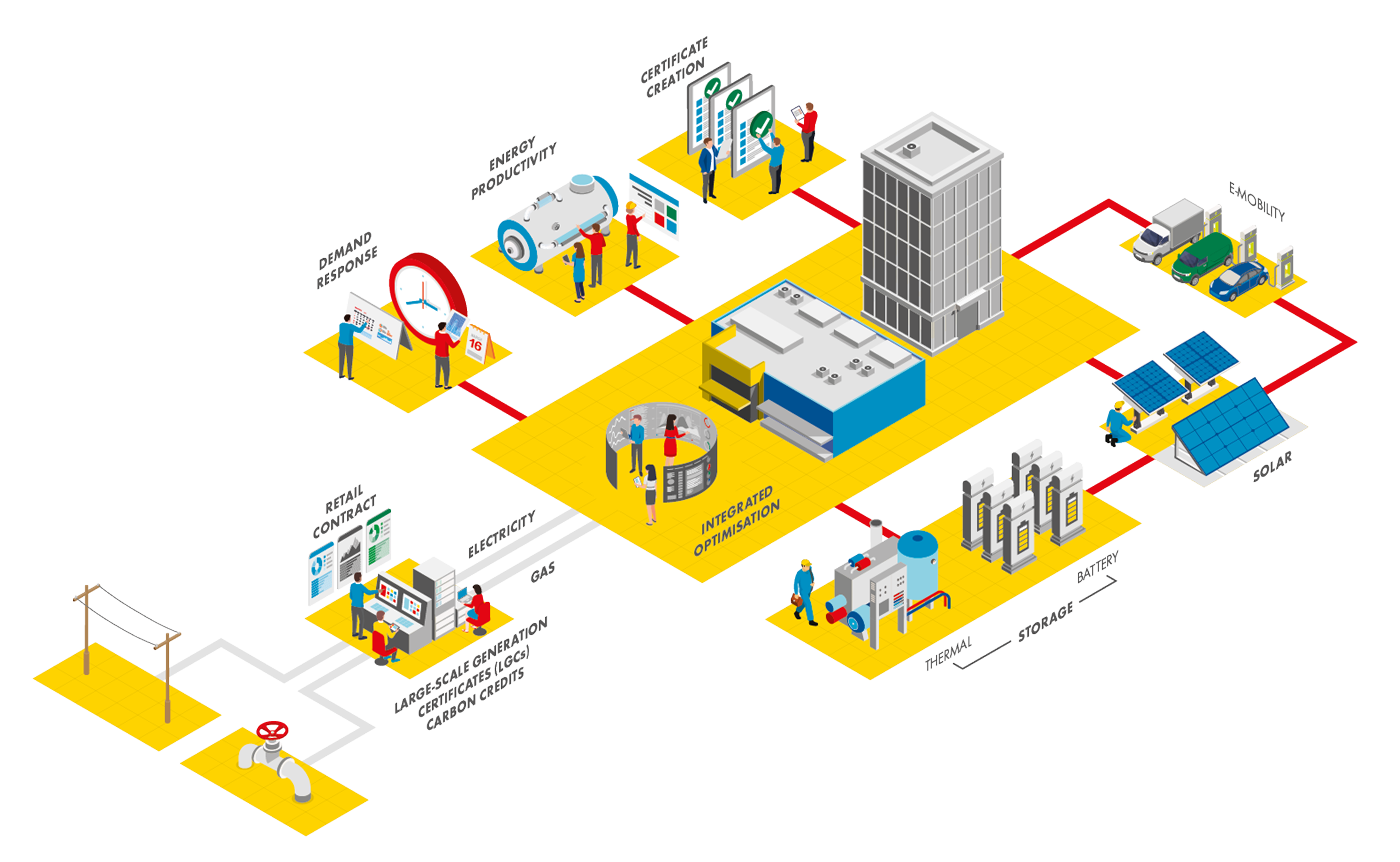
Smart Energy Hubs - Key to a Renewable Energy Future? | Shell Energy
Source: shellenergy.com.au

How to Choose the Right Study Destination - Global Grads
Source: globalgrads.org

(PDF) Student Mobility and Emerging Hubs in Global Higher Education
Source: www.researchgate.net
Hasan Sarıtaş on LinkedIn: #internationaleducation #globalopportunities
Source: www.linkedin.com

Europe leads AI regulation: key takeaways from the Global Education
Source: www.ucjc.edu
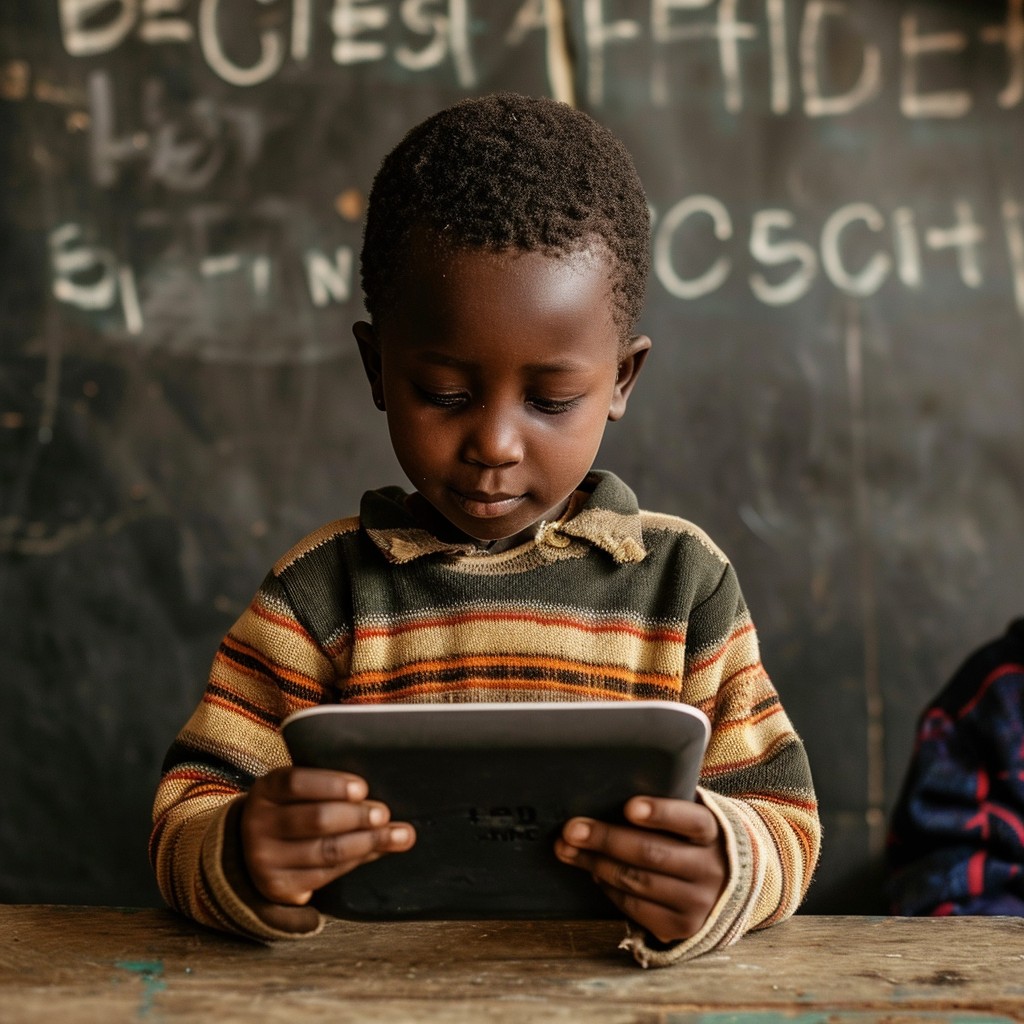
5Africa Unveils Global Expansion Plan to Revolutionize Digital Education
Source: www.cryptopolitan.com

Prom Hubs: The Ultimate Guide To Revolutionizing Your Event Planning
Source: archive.telanganatoday.com

Music Hubs in the US — VOCES8 Foundation
Source: voces8.foundation
Global Education Hubs
The World Economic Forum’s Global Risks Report 2024 says the biggest short-term risk stems from misinformation and disinformation. In the longer term, climate-related threats dominate the top 10 risks global populations will face. Two-thirds of global experts anticipate a multipolar or fragmented order to take shape over the next decade. The Global Energy Review found that global energy demand grew by 2.2% last year, which was considerably faster than the average annual demand increase of 1.3% over the previous 10 years. Emerging and developing economies accounted for over 80% of the increase in 2024 and, after several years of declines, advanced economies returned ... So far, this year has been marked by significant global shifts, including increased geopolitical instability, the accelerating impact of AI and a changing labour market. Economic factors like new US tariffs are redrawing trade maps, while the energy transition shows progress and gender gaps persist. These seven charts from World Economic Forum reports help. Health was a major focus in 2024, shaping global news and driving key discussions at the World Economic Forum. From climate change health impacts to the rise of antimicrobial resistance and improving health equity for. The Global Gender Gap Index was first introduced by the World Economic Forum in 2006 to benchmark progress towards gender parity across four dimensions: economic opportunities, education, health and political leadership (Figure 1.1).